Building the Ideal Made-to-Order Produce Boxes: A Detailed Tutorial
Constructing specialized fruit and vegetable boxes requires a deliberate method. Professionals must assess environmental impact, functionality, and visual appeal. Selecting the suitable materials is vital for preserving quality and advancing environmentally conscious methods. Moreover, size and shape can greatly impact usability and shipping effectiveness. Impactful visual elements enhance company identity, while detailed testing guarantees durability. Understanding these elements will reveal key insights into creating remarkable container solutions that appeal to customers. What comes next is fundamental to reaching those objectives.
Picking the Ideal Resources for Custom Produce Boxes
When picking materials for custom produce boxes, it is critical to assess both functionality and sustainability. The choice of material considerably affects the box's resilience, weight, and function to preserve the contents. Common materials include corrugated cardboard, which provides strength and is able to be recycled, making it a preferred choice for eco-conscious businesses. Decomposable options, such as molded pulp or plant-based plastics, also support eco-friendly practices while offering sufficient protection for delicate produce.
In addition, liquid resistance is essential for maintaining freshness, prompting some producers to explore treated materials or specialized coatings. The aesthetic appeal of the box requires attention, as branding and visual presentation can influence market perception. Ultimately, the optimal choice should maintain proportion between protecting the produce, appealing to customers, and following ecological standards, making sure that effectiveness and environmental consciousness are stressed in the planning phase.
How to Pick Size and Shape for Performance?
When deciding on the form and dimensions of custom produce boxes, careful assessment of produce dimensions is crucial for proper storage. Additionally, considerations for handling and transport can affect the box design, ensuring ease of movement. Optimizing storage space utilization further enhances functionality, enabling effective presentation and organization.
Evaluate Produce Measurements Carefully
Determining the correct size and shape for produce boxes is important for functionality and efficiency. Careful measurement of produce dimensions is necessary, as it makes sure that items fit tightly without extra room that might cause damage during storage or transport. Specialized boxes need to handle various configurations, from soft berries to large vegetables, while maintaining robustness. Additionally, the length and depth of the boxes should support efficient stacking and inventory control, making the best use of space in warehouse spaces. A expertly crafted container not only protects the produce but also boosts market presentation for end customers. Ultimately, deliberate consideration of dimensions aids in minimizing waste and improving customer journey in the product distribution.
Assess Handling and Transport Needs
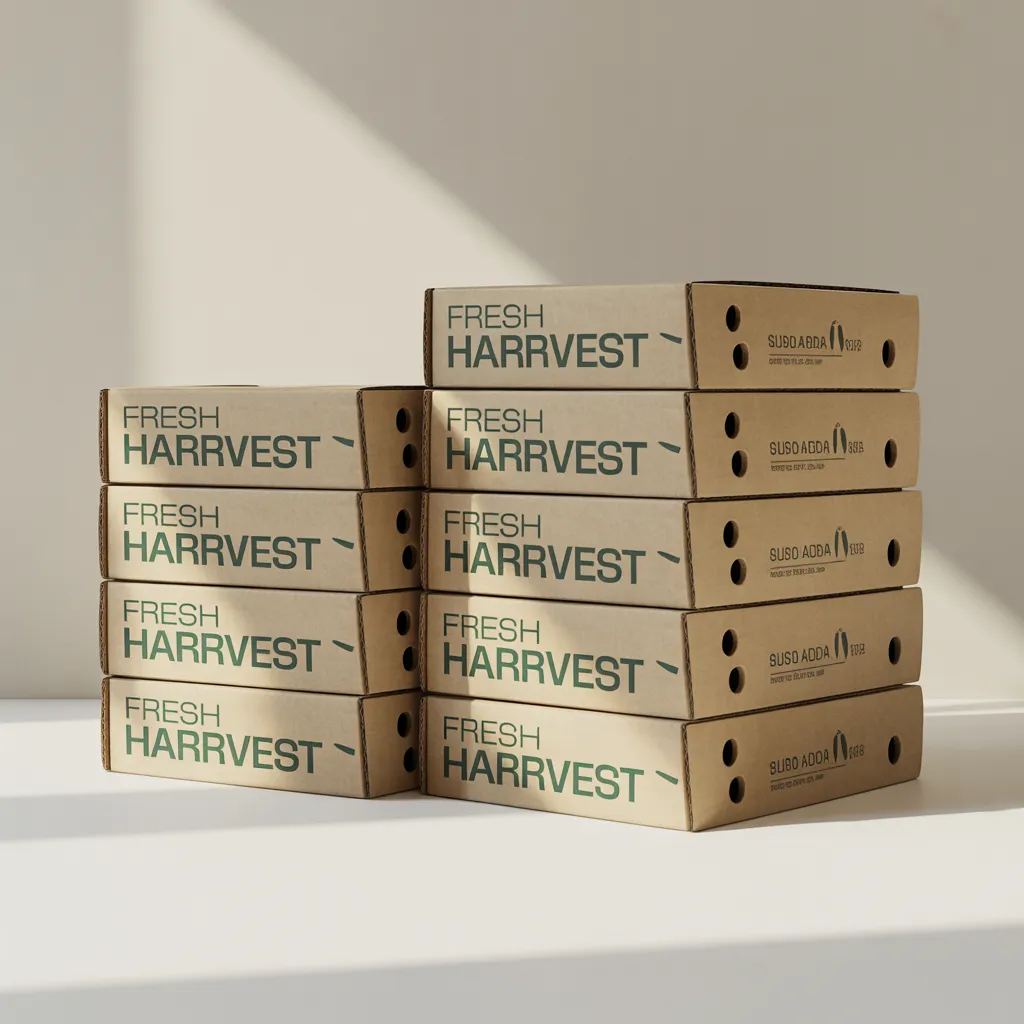
Handling and delivery aspects have a major part in determining the right dimensions and configuration of custom agricultural boxes. The dimensions must accommodate the produce without excessive area, which could cause movement and damage during transport. Smaller, compact boxes facilitate simpler management, whereas big containers might prove necessary to handle bulkier items. Also, ergonomic design remains essential; grip points or access ought to get strategically situated in order to enable easy hoisting plus transport. The form relating to the container also affects stacking and steadiness, ensuring which goods stay secure. Ultimately, careful consideration regarding such factors enhances the productivity of shipping, decreases item waste, and maintains the overall integrity concerning the fresh goods beginning at field toward consumer.
Enhance Product Space Allocation
Optimizing shelf space usage depends on choosing the correct size and shape of specialized produce boxes. Design teams should evaluate the size specifications of the shelving units as well as the categories of crops being arranged. Rectangular boxes often enhance space efficiency, permitting for more straightforward stacking and alignment. In contrast, unusual shapes can heighten design appeal but may cause lost capacity if not properly structured.
It's crucial to evaluate the stock movement metrics; faster-moving items might benefit from smaller, easily accessible boxes. Additionally, implementing flexible or customizable structures can support different dimensions of items while improving shelf organization. By prioritizing functionality along with aesthetics, businesses can develop a practical and visually appealing display that enhances both accessibility and product visibility.
How to Craft Visual Content That Attract Engagement?
Compelling artwork can transform a plain custom produce box into a visual masterpiece that attracts attention. To achieve this, visual artists should commence by selecting a color palette that reflects the vigor and vibrancy of the produce. Bright, captivating colors can evoke impressions of freshness and wellbeing, motivating consumers to take a closer look.
Using strong typefaces is also essential; readable typefaces can successfully convey key details while improving aesthetic quality. Additionally, using premium photographs of the produce can create an immediate connection, displaying the item's excellence and enticing prospective customers.
Furthermore, introducing distinctive visual elements and patterns can help differentiate the brand in a crowded market. Alignment in design elements, such as logos and taglines, solidifies brand identity. Ultimately, a blend of inventiveness and precision in graphic design can greatly elevate the power of custom produce boxes, making them stand out on shelves.
Sustainable Practices for Custom Produce Box Protective Covering
An increasing amount of businesses are implementing eco-friendly solutions for custom produce box packaging, acknowledging its importance in today's green-minded market. These practices often include the use of compostable materials, such as recycled paper and plant-based plastics, which minimize environmental impact. Companies are also directing attention on sustainable sourcing, confirming that materials are obtained from responsibly managed forests or suppliers who champion environmental stewardship.
Also, many brands are selecting simple designs that reduce waste while still effectively displaying their products. This method not only appeals to environmentally conscious consumers but also assists with cutting production costs. Moreover, businesses are progressively implementing streamlined manufacturing processes that limit energy consumption and waste generation. By integrating these sustainable practices, companies not only strengthen their brand image but also contribute positively to the planet, matching their operations with a sustainable future.
Testing Your Personalized Produce Box Layout
Testing the layout of custom produce boxes is an crucial step in guaranteeing they meet both aesthetic and practical requirements. This process typically involves assessing elements such as strength, size, and usability. First, prototypes must be developed to assess the box's physical stability, making certain it can withstand transportation and keeping without compromising the contents.
Afterwards, usability reviews can be undertaken to figure out how without difficulty the boxes can be opened, latched, and nested. Feedback from intended users can be invaluable in this juncture, presenting viewpoints into the box's practicality.
Additionally, the visual impact of the design should be tested through focus groups or surveys, assessing consumer reactions to branding elements, color palettes, and overall presentation.
Ultimately, extensive testing enables designers to improve the box, guaranteeing it not only attracts customers but also properly safeguards and presents the produce within, maintaining the right equilibrium between form and function.
Showcasing Your Bespoke Produce Boxes Effectively
Effective advertising of custom vegetable containers requires a well-planned strategy that stresses their distinctive advantages and value. Businesses should focus on determining their target audience, whether they are local farms, grocery stores, or individual consumers. Utilizing social networking sites can boost market visibility, displaying the boxes' appearance and functionality through compelling visuals and storytelling.
Moreover, partnering with community figures and agricultural experts can enhance credibility and broaden reach. Providing special deals or reduced prices during seasonal peaks can attract first-time customers and promote ongoing purchases.
In addition, highlighting eco-conscious values and sustainable practices in marketing materials can resonate with green-minded customers. Delivering detailed information about material choices and the perks of custom packaging can further distinguish the goods in a highly competitive market.
In the end, a extensive promotional approach that blends digital and community-based undertakings will efficiently promote custom produce boxes, engaging a diverse clientele and increasing sales.
Frequently Asked Questions
What Fees Come With Custom Produce Box Design?
Costs related to custom produce box design contain materials needed, printing, labor, and shipping. Also, design services and order applicable information thresholds can modify overall expenses, creating varying prices based on individual specifications and manufacturing scale.
What Length of time Is Required to Make Tailored Boxes?
Producing customized boxes usually takes two to six weeks. Factors that shape this duration include design complexity, materials sourcing, and production capability, each of which can affect shipment timelines and processing times.
May I Purchase a Compact Quantity of Custom Produce Boxes?
Yes, limited amounts of bespoke produce containers can generally be ordered. Many suppliers offer minimum order quantities, permitting businesses or individuals to procure personalized packaging options without having to dedicate to significant quantities from the beginning.
What Are Common Mistakes to Avoid in Personalized Box Layout?
Typical pitfalls in custom box development consist of overlooking functionality, ignoring brand consistency, undervaluing material quality, failing to consider target audience preferences, and overlooking environmental impact. Each aspect is indispensable for successful packaging and customer satisfaction.
How Do I Confirm My Boxes Are Food Safe?
To verify boxes are suitable for food, one needs to opt for materials qualified for food contact, steer clear of harmful inks and adhesives, copyright cleanliness during production, and regularly test for compliance with health regulations and safety standards.